Memorialized Feeds & Algorithmic Grief: When Social Media Meets Mourning
Social media platforms like Facebook and TikTok have become digital spaces for grief, remembrance, and emotional triggers. In this post, UX designer Chehan Gamage explores how algorithm-driven features impact bereaved users and why designers must consider the emotional consequences of resurfacing memories.
Social media platforms like Facebook and TikTok have become digital spaces for grief, remembrance, and emotional triggers. In this post, UX designer Chehan Gamage explores how algorithm-driven features impact bereaved users and why designers must consider the emotional consequences of resurfacing memories.
The Algorithm Doesn’t Know They’re Gone
As a UX designer and researcher, I’ve come to see social media not just as platforms—but as accidental memorials. They are the places where people mourn, revisit memories, and sometimes relive emotional trauma.
The problem? These platforms weren’t designed for grief.
They were designed for engagement.
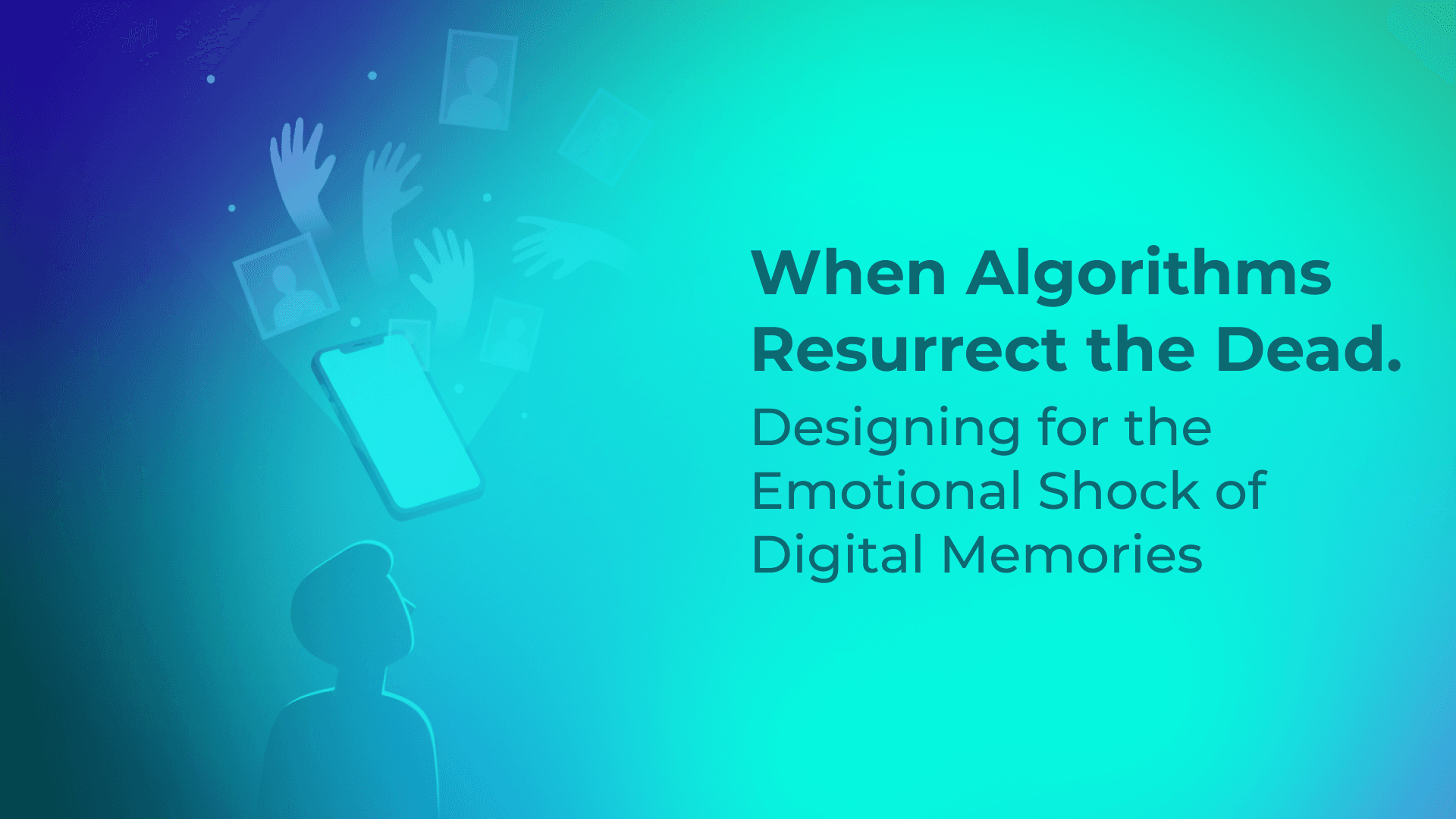
So when an algorithm resurrects a TikTok video of your father laughing, or Facebook reminds you of a photo you shared with your deceased best friend five years ago—it feels like a punch to the gut.
This is what I call algorithmic grief—the unintended emotional disruption caused by automated features that aren’t sensitive to a user’s loss.
What is a Memorialized Feed?
On Facebook, when someone passes away, their profile can be “memorialized.” This adds the word “Remembering” above their name, but keeps their posts, images, and messages active sometimes indefinitely.
But the experience doesn’t end there:
Friends still get birthday reminders of the deceased.
Users still see “Memories from this day” featuring lost loved ones.
Tagged photos resurface without context or consent.
On TikTok, the issue is even more ambiguous. The algorithm surfaces “old content that performs well” and if a deceased user’s video goes viral posthumously, it can unexpectedly reach friends and family.
There’s no pause button for grief in an algorithm.
Emotional UX Triggers in Algorithm-Driven Platforms
In my research, I found multiple emotional triggers in platforms like Facebook, Instagram, and TikTok, especially among Sri Lankan users grieving a parent or sibling.
Here are common UX patterns that unintentionally cause emotional harm:
Trigger | Platform Behavior | Emotional Impact |
|---|---|---|
Memory notifications | Daily/weekly reminders of past posts | Sudden grief resurgence |
Birthday reminders | Push notifications for deceased users | Guilt, sadness, confusion |
Autoplaying content | TikTok surfacing old clips | Shock, emotional flooding |
Photo carousels | Instagram archive memories | Loss of emotional control |
“Typing…” or “Seen” indicators | Messages never responded to | Perception of unfinished conversation |
These patterns become digital grief traps unpredictable, jarring, and emotionally overwhelming.
Why These UX Patterns Persist
Designers often overlook these grief scenarios because:
Death is considered an edge case
Algorithms are built to optimize for retention, not emotional wellbeing
Death is still a taboo subject in design sprints and product roadmaps
Most platforms are Western-centric, ignoring cultural grief nuances like Sri Lanka’s “daane,” white flags, or mourning periods
As a result, users are left to emotionally navigate spaces that were never built to support them.
How UX Design Can Reduce Algorithmic Grief
Here are design interventions that can be implemented to humanize algorithm-driven platforms:
🛑 Opt-Out of Memory Triggers
Allow users to pause or disable resurfaced content—especially on anniversaries or birthdays.
🧘 “Quiet Mode” for the Bereaved
Create grief-aware states in the UI where users can opt-in to softer tones, fewer notifications, and private timelines.
🕊️ Contextual Memorial Flags
When content is from or about a deceased person, display a subtle ribbon or soft border that prepares the viewer emotionally.
🧠 Sentiment-Sensitive Algorithms
Instead of always promoting “high engagement” posts, algorithms can consider emotional keywords and flag sensitive content for review or user confirmation.
Personal Reflection
As a Sri Lankan UX designer, I’ve seen how digital platforms affect real human emotion—especially when it comes to loss and remembrance.
During my research, one participant told me:
“I saw my mother’s voice on TikTok again. I didn’t expect it. I cried the whole day.”
That’s not a bug.
That’s a design blind spot.
And we have the responsibility and the opportunity to fix it.
Cultural Grieving in Digital Spaces: A Sri Lankan Perspective
In the next post, we’ll explore how traditional mourning rituals in Sri Lanka—like white flags, chanting ceremonies, and ‘daane’ meals—are missing from the digital landscape. As UX designers, how can we translate these cultural grief practices into virtual spaces that feel familiar, respectful, and emotionally supportive?
Chehan Gamage UI/UX Designer | Founder of Mintleaf Digital | B.Des (University of Moratuwa)